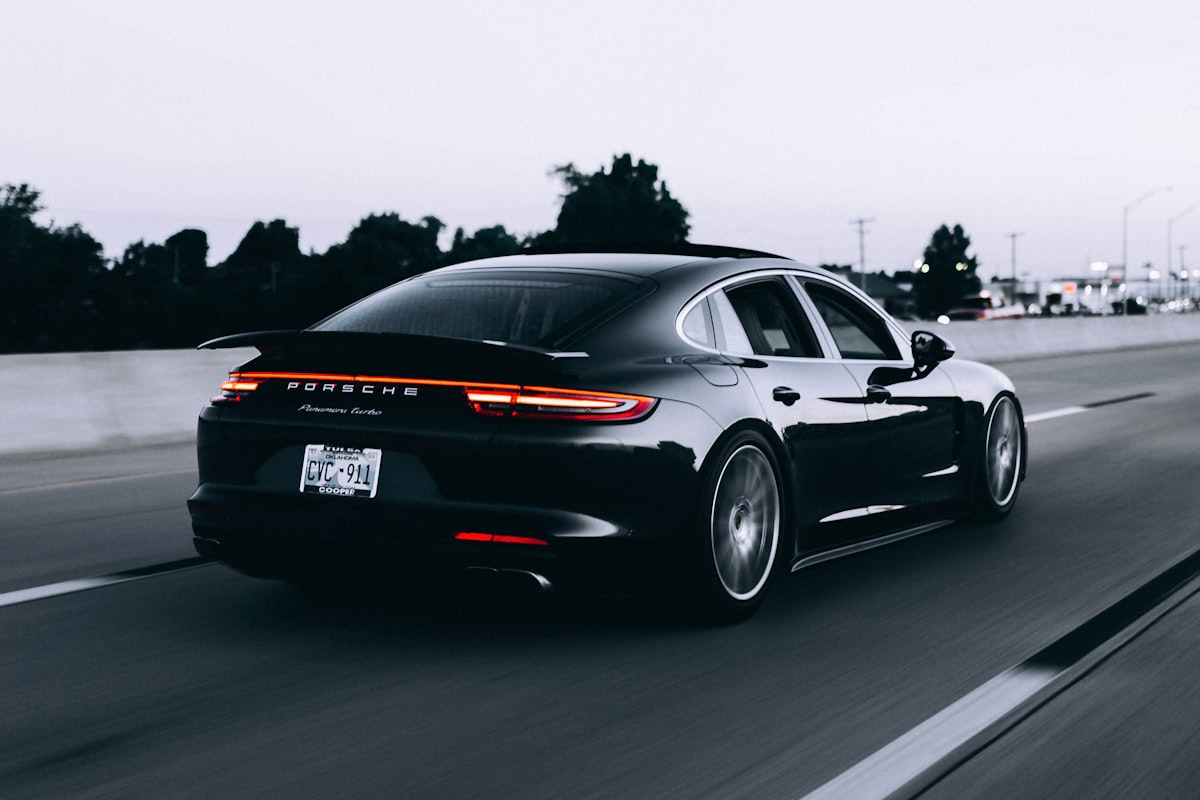
If your car is worth more than its standard market value — because of a performance build, rare specification, or collector status — standard car insurance will leave you underinsured at total loss. A stock Ford Mustang GT might be worth $30,000 on the market. With $18,000 in engine and drivetrain work, the car may be worth $50,000+. A standard policy pays the former. An agreed value policy pays the latter. The collector and modified car market this affects is not small — Hagerty estimates roughly 43 million collector vehicles in the US alone, representing close to $1 trillion in insurable value.1
What Is Agreed Value Insurance?
Agreed value (also called guaranteed value) insurance is a policy where you and the insurer agree on the car’s total value before the policy starts. If the car is declared a total loss, you receive exactly that amount — no depreciation, no market value argument, no negotiation. This is different from stated value, where the insurer pays the lesser of the stated amount or actual cash value.
How to Get an Agreed Value Policy
- Document the car — photos of every modification, receipts, build sheet, dyno sheet
- Get an independent appraisal — a professional written appraisal from a recognised automotive specialist supports your claimed value
- Approach specialist insurers — Hagerty, Grundy, American Collectors, Heacock Classic, and specialist UK brokers offer agreed value policies for modified and collector cars
- Agree the value upfront — the insurer will review your documentation and either accept your proposed value or negotiate
What Documentation Do You Need?
- High-resolution photos (minimum 20, covering all angles and engine bay)
- Receipts for all major modifications
- Dyno sheet if the car has been performance-tuned
- Professional written appraisal (required by most agreed value insurers)
- Vehicle history check
Cost of Agreed Value vs Standard Insurance
Agreed value coverage typically costs somewhat more than a comparable stated value or standard policy from the same insurer — industry comparisons put the premium difference at roughly 10–25% more2 — but the protection is incomparably better. For a car with $30,000 in modifications, the difference between standard and agreed value cover at total loss could be tens of thousands of dollars. The additional premium is almost always the better financial decision. Get an actual quote for your build rather than budgeting off a generic percentage, since it varies by insurer.
When to Review Your Agreed Value
Review the agreed value every time you make significant modifications, at a minimum annually. If you’ve added $5,000 in parts since your last policy review, your car is underinsured by that amount. Most specialist insurers process mid-term value increases for a small admin fee.
Sources
- Hagerty — The Collector Car Market: By the Numbers
- The Zebra — Agreed Value vs. Stated Value Insurance
Frequently Asked Questions
What is the difference between agreed value and stated value?
Agreed value: insurer pays the exact agreed amount at total loss. Stated value: insurer pays the lesser of the stated amount or actual cash value. For modified cars, agreed value is almost always the better choice — stated value can leave you significantly underinsured.
Do I need an appraisal for agreed value insurance?
Most agreed value insurers require a professional written appraisal from a recognised automotive specialist. Some specialist insurers accept detailed photo documentation and receipts for lower-value builds, but a formal appraisal is recommended for high-value builds — ask your specific insurer what their threshold is.
Can I get agreed value insurance for a drag car?
Yes. Specialist motorsport and modified car insurers offer agreed value policies for drag cars, including purpose-built cars with no street registration. The key requirement is thorough documentation of the build and its components.
Ready to protect your build?
Compare specialist modified car and drag racing insurance in 60 seconds. No spam.
Leave a Reply