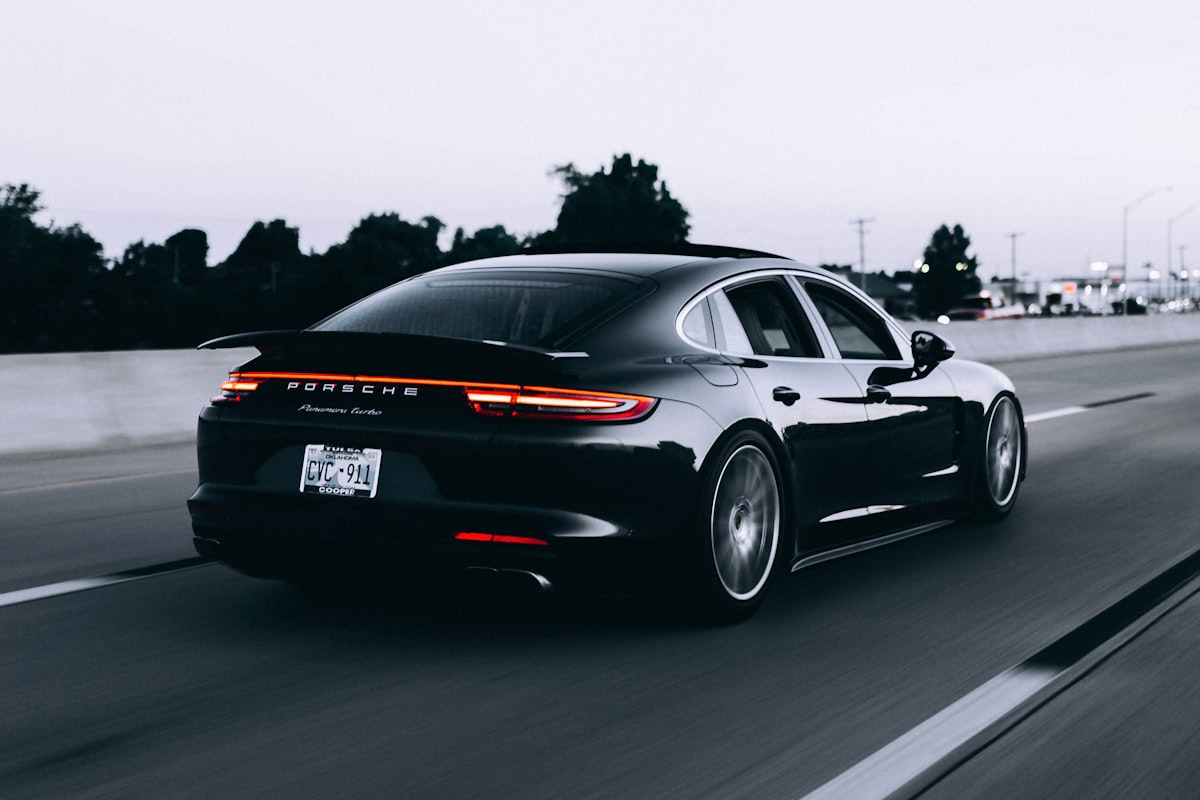
Standard road car insurance policies exclude track use entirely — the moment you roll your car onto a circuit, every pound of cover disappears. Track day insurance is a specialist product that reinstates that protection. It isn’t sold through mainstream comparison sites the way ordinary car insurance is — specialist brokers and insurers price each policy individually around your car, your experience, and the circuit you’re attending (WeCovr — Motor Insurance for Track Days).
What Does Track Day Car Insurance Cover?
A quality track day policy covers accidental damage to your own car, third-party liability to other participants, and in some cases personal accident and medical expenses. Crucially, it covers you during timed sessions and free practice — the times your road policy is void. Cover typically comes in two shapes: a standalone track-only policy (some UK brokers will cover cars valued up to £200,000, at circuits including the Nürburgring and Spa), or a 12-month road policy with a set number of UK track days built in, usually capped at a lower vehicle value (Howden Insurance — Track Day Insurance). Liability limits vary by insurer and policy tier — check your policy schedule for the exact figure rather than assuming a standard amount.
Key inclusions to look for:
- Own damage cover (fire, theft, collision on circuit)
- Third-party liability for damage to barriers, marshals’ posts, and other cars
- Salvage and recovery from the circuit
- Track day cancellation cover (some policies)
What Is Not Covered?
Track day insurance does not cover wear and tear, mechanical breakdown, tyre damage, brake fade damage, or damage caused by competing in a timed race. It is specifically for non-competitive track days. If you enter a sanctioned race or sprint, you need motorsport insurance instead.
How Much Does Track Day Insurance Cost?
Track day insurance isn’t sold off a published rate card, and you generally can’t get an instant quote from a mainstream comparison site — specialist brokers price each policy once they know your car, your experience, and the circuit (WeCovr — Motor Insurance for Track Days). Treat any daily or annual figure you see quoted online as a rough steer at best — get an actual quote for your build rather than budgeting against a number nobody can guarantee.
What actually moves the price:
| Factor | How it affects your premium |
|---|---|
| Car’s agreed value | The single biggest factor in the quote — higher-value cars cost more to insure on track |
| Circuit and event type | Higher-risk circuits and formats can move the price |
| Driver experience | Track experience and any competition licence history are typically assessed |
| Declared modifications | A heavily modified car costs more to insure than a standard one — declare cages, harnesses, engine work and anything else you’ve changed |
| Excess chosen | Own-damage excess is usually set as a percentage of the car’s agreed value — around 10% with a minimum figure is a commonly cited starting point (e.g. roughly £3,000 on a £30,000 car) — rather than a flat fee |
Do You Need to Declare Your Modifications?
Yes — every modification must be declared, including roll cages, harnesses, racing seats, and engine upgrades. Undeclared modifications are the single biggest cause of rejected UK motor insurance claims generally — a 2023 study found 16% of drivers who’d made a claim had it partially or fully declined over an undeclared modification, more than any other single reason (Driving Instructors Association, citing Forbes Advisor research). That data covers everyday road policies rather than track-specific cover, but the same principle applies even more strictly on a circuit: track day insurers are underwriting the exact modifications you tell them about. Most specialist insurers are comfortable with performance modifications; they simply need to know what they’re covering. Use our insurance cost estimator to see how your mods affect your premium.
Top Tips for Getting the Best Track Day Cover
- Book cover before you leave home — not at the circuit gate
- Photograph your car (360°) before every session
- Check whether your policy requires a cage for cars above a certain power level
- Consider annual multi-event policies if you attend more than 3 track days per year
Specifically racing on UK circuits? See our complete guide to UK track day insurance for circuit-specific providers and 2026 pricing.
Sources
- Howden Insurance — Track Day Insurance
- WeCovr — Motor Insurance for Track Days: What’s Covered
- Driving Instructors Association — Undeclared Car Modifications and Rejected Insurance Claims
Frequently Asked Questions
Does my road insurance cover me on track?
No. Standard road car insurance policies exclude all circuit use. You need a dedicated track day policy for any time spent on a closed circuit, including unofficial test days and manufacturer events.
Can I get track day insurance for a modified car?
Yes. Specialist insurers cover modified track cars, but all modifications must be declared. Performance upgrades, roll cages, racing seats and stripped interiors are all coverable — disclosure is key.
How much excess will I pay on a track day claim?
Track day insurers don’t publish a fixed excess table. Own-damage excess is typically set as a percentage of your car’s agreed value, often around 10% with a minimum figure — for example, roughly £3,000 on a car valued at £30,000. The exact percentage and minimum vary by insurer and policy tier, so check your schedule rather than assuming a number.
Ready to protect your build?
Compare specialist modified car and drag racing insurance in 60 seconds. No spam.
Leave a Reply