
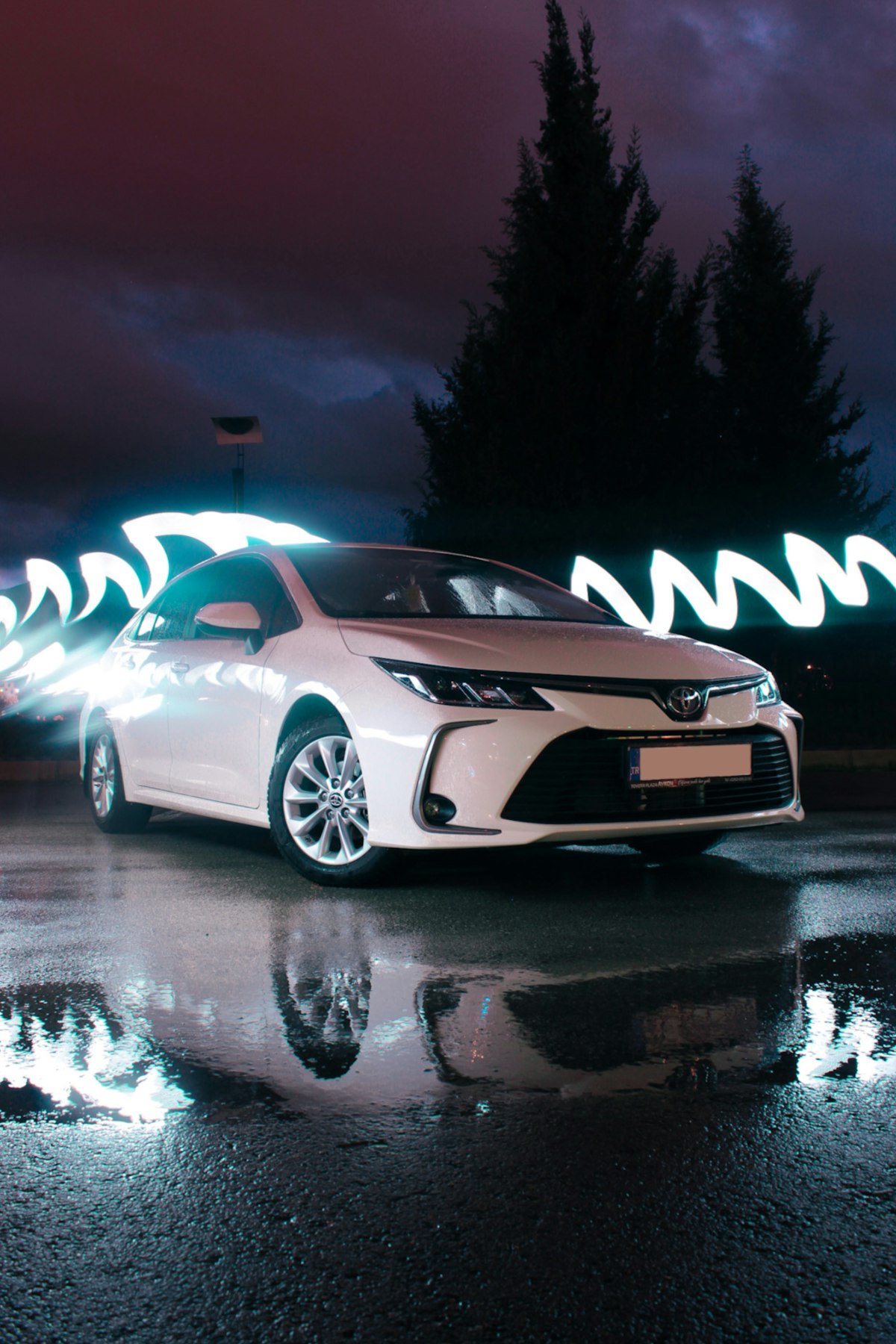
The Honda Civic is one of the most modified cars in the world, with a dedicated global enthusiast community and an almost unlimited aftermarket parts ecosystem. Civic insurance complexity correlates directly with build depth: a lightly tuned FK8 Type R is straightforward for a specialist insurer; a fully caged, K20-powered drag Civic with a roll bar and slicks needs motorsport-specific underwriting. This guide covers the full spectrum.
Civic Build Types and Insurance Categories
| Build Type | Insurance Category | Key Considerations |
|---|---|---|
| Mild street build (exhaust, wheels, lowered) | Specialist road policy | Declare all mods; agreed value recommended |
| Stage 2–3 turbo build (400–500whp) | Specialist modified car policy | Full mod declaration, power output, agreed value essential |
| Track-prepped Civic (cage, harness, slicks) | Road + motorsport policy | Two-policy structure; road policy + dedicated track cover |
| Dedicated drag Civic (unregistered) | Motorsport all-risk only | No road cover needed; agreed value strip-use policy |
Most Common Civic Modifications and Declarations
- Turbo upgrade or full turbo kit (K20/B16/B18 builds)
- Fuelling system (E85 conversion, bigger injectors, upgraded pump)
- ECU management (Hondata, Ktuner, AEM)
- Suspension (coilovers, camber kit, tension rods)
- Wheels and tyres (particularly wide rear setups for drag use)
- Cage and safety equipment (SCCA/NHRA compliant)
Best Insurers for Modified Civics
- Adrian Flux (UK) — covers modified JDM and VTEC builds
- Footman James (UK) — agreed value option for high-value Civic builds
- Hagerty (US) — accepts modified Civics, particularly older generations as they reach collector status
- Grundy (US) — covers 1990s–2000s Civics with performance modifications
Type R Specific Insurance (FK8/FL5)
The FK8 (10th gen) and FL5 (11th gen) Type R have above-average premiums even in stock form due to high performance and desirability. Modified Type Rs with significant power upgrades require specialist policies. The FL5 Type R’s factory 315hp US-spec output (330PS/326hp in Japan-spec) puts it well ahead of most hot hatches on power alone1 — make sure your agreed value reflects any modifications on top of the car’s already-significant standard value.
Sources
{“@context”:”https://schema.org”,”@type”:”FAQPage”,”mainEntity”:[{“@type”:”Question”,”name”:”How much does modified Civic insurance cost?”,”acceptedAnswer”:{“@type”:”Answer”,”text”:”There’s no published rate card — specialist insurers quote modified Civics individually based on power level, modifications, and intended use. As a general pattern, expect a Stage 2-3 turbo build with full agreed value cover to cost meaningfully more than a mildly modified street car, but get an actual quote for your specific build rather than budgeting off a generic figure.”}},{“@type”:”Question”,”name”:”Can I get insurance for a caged Civic?”,”acceptedAnswer”:{“@type”:”Answer”,”text”:”Yes. A caged Civic requires specialist modified car or motorsport insurance depending on whether it retains road registration. Strip-use Civics with full cages typically need a motorsport all-risk policy for strip use and a modified road policy for transport.”}},{“@type”:”Question”,”name”:”Is a Honda Civic Type R expensive to insure?”,”acceptedAnswer”:{“@type”:”Answer”,”text”:”The Type R carries above-average premiums due to high performance and desirability — even in stock form. Modified Type Rs should always use specialist modified car insurers. Standard comparison sites often decline or impose excessive premiums on Type Rs with significant modifications.”}}]}
Ready to protect your build?
Compare specialist modified car and drag racing insurance in 60 seconds.


Leave a Reply